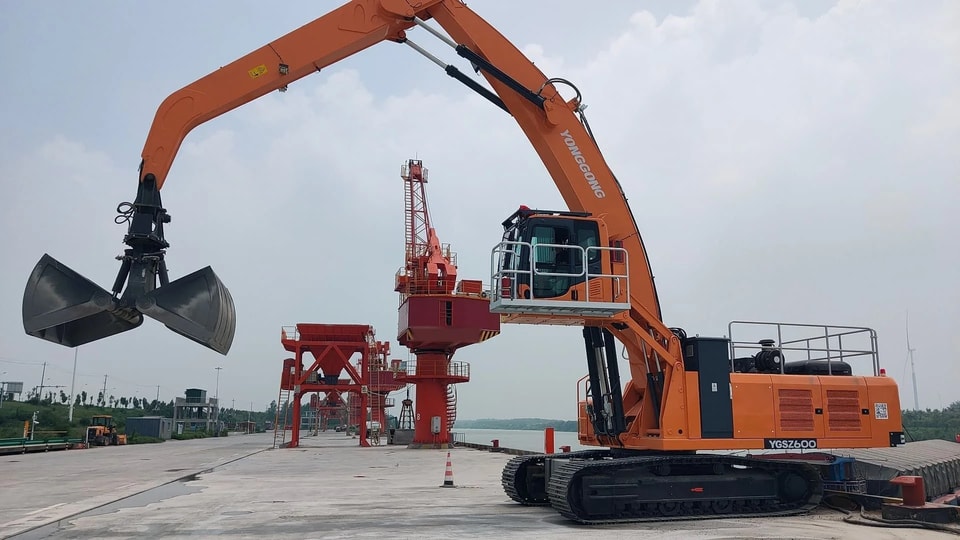
Ports & Bulk Terminals
Unloading ships and barges, stockpiling and loading trucks — with the machine matched to your berth, material and power supply.
What the machine
has to handle
At the quay a material handler has to reach over the edge and into the hold, see what the grab is doing and keep working shift after shift. The right machine depends on how your berth is laid out and what you handle.
Typical challenges
- Reaching over the quay edge and deep into ship and barge holds
- Seeing into the hold from the operator's seat
- Long working shifts at a fixed berth
- Handling bulk cargo, scrap and containers at the same quay
Typical materials
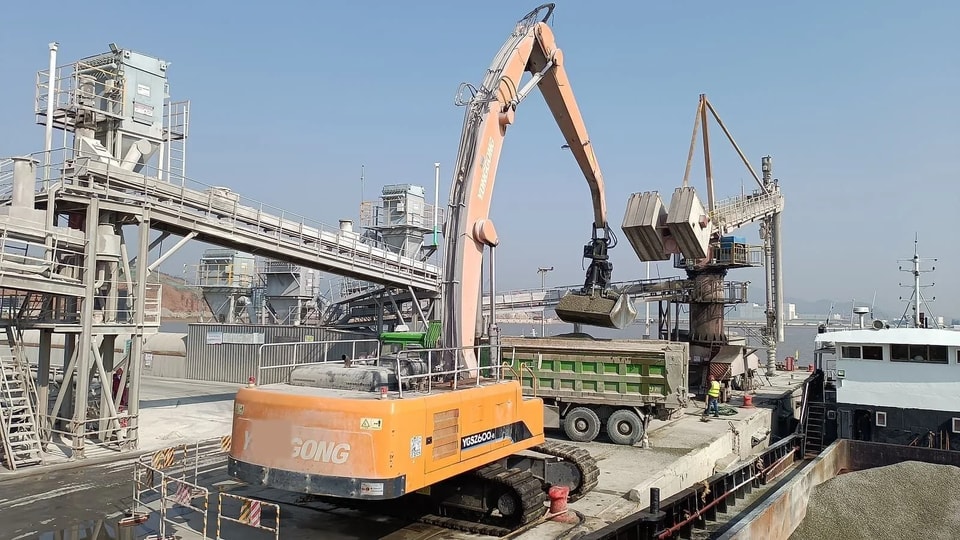
Which chassis
fits your site
The chassis follows the layout of your site; reach, power and grab follow the material and output.
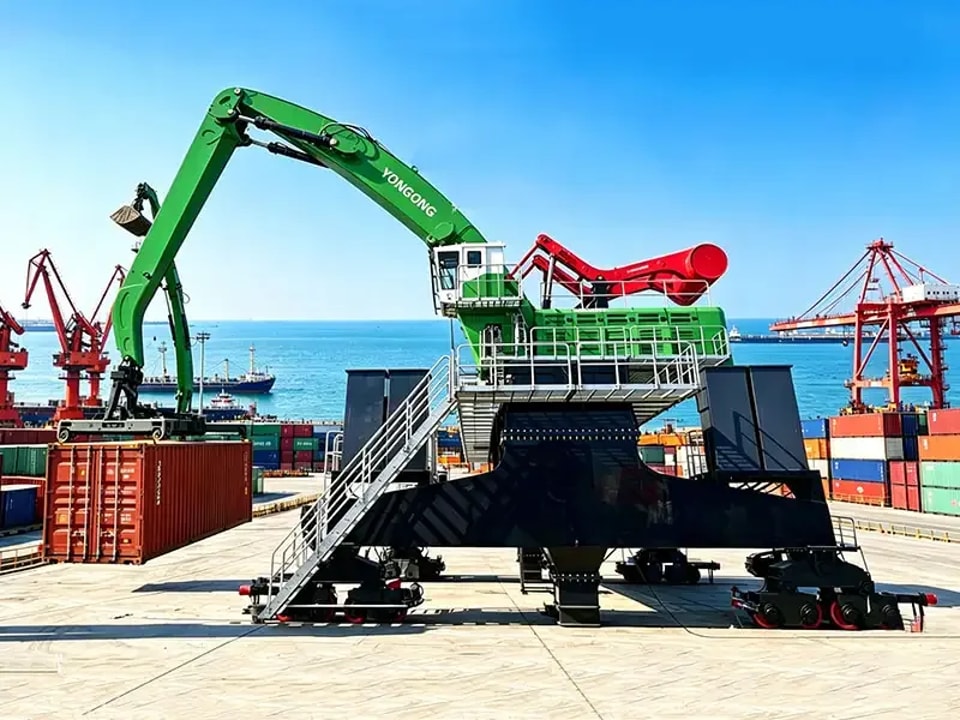 YG3600-GM · YGZ2600Rail-mountedTravels along the quay on rails and serves several hatches; the YG3600-GM reaches 27.8 m.View models
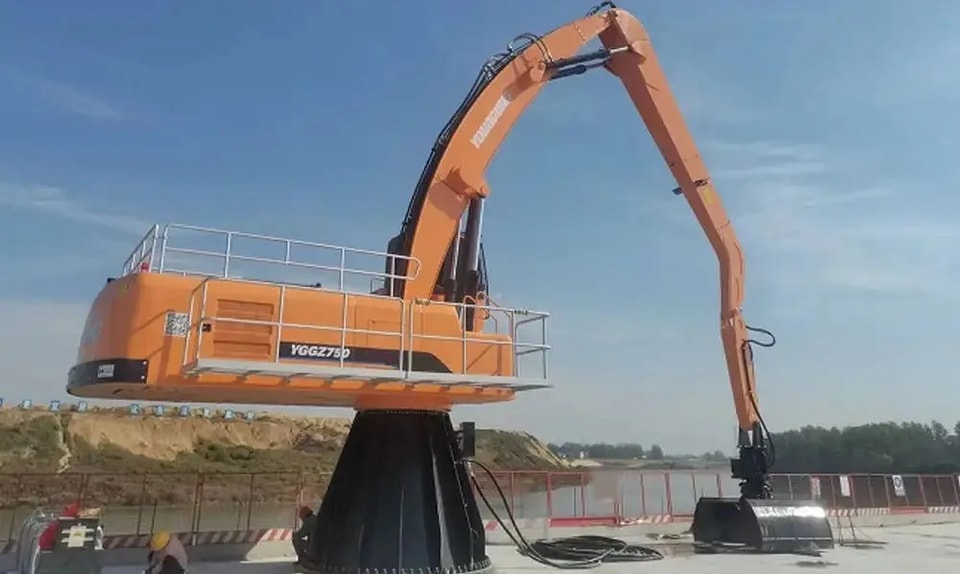
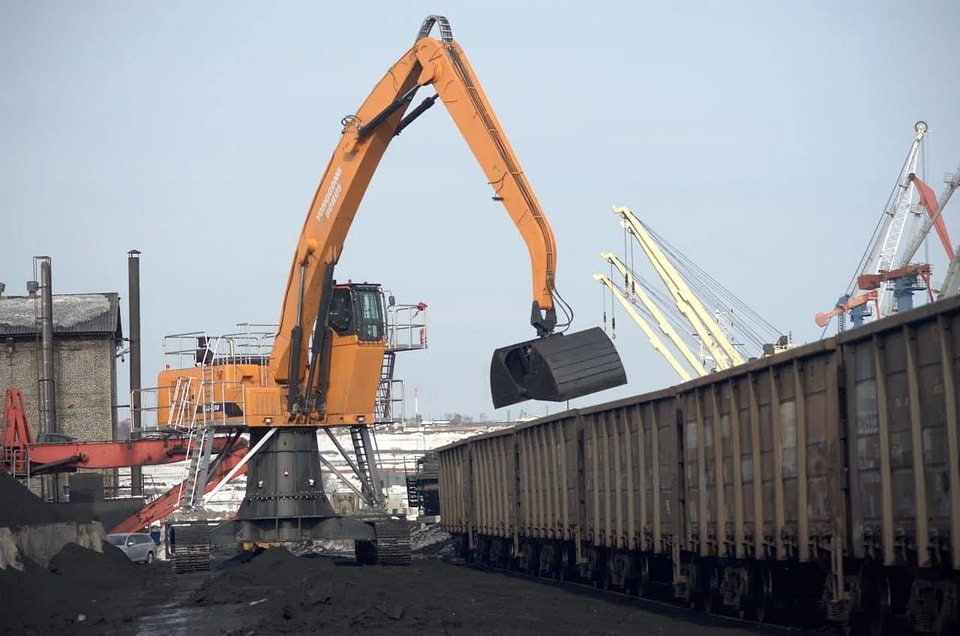 YGGZ seriesStationaryElectric-driven on a fixed pedestal at one berth position or feeding point.View models
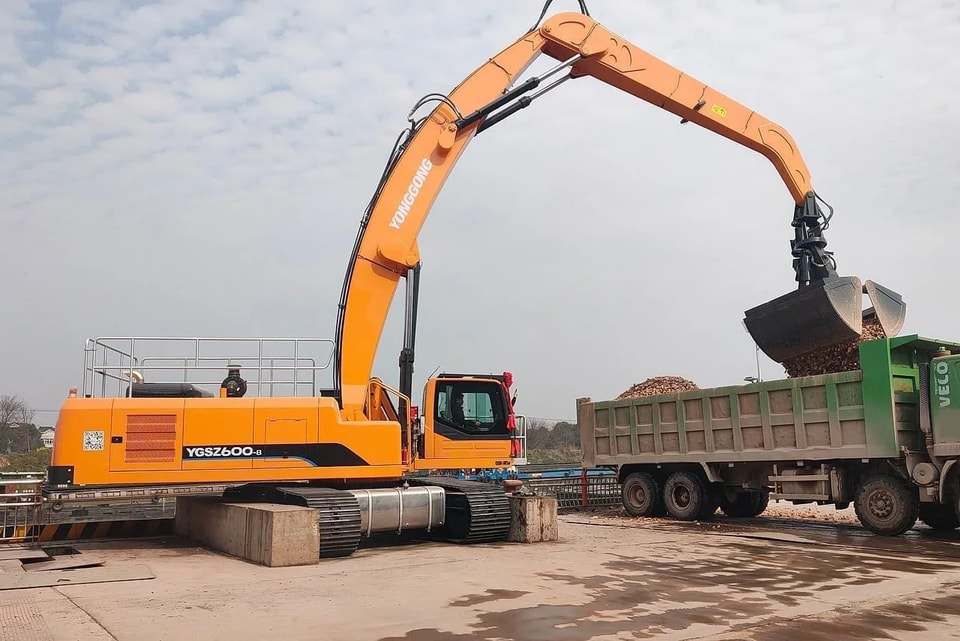 YGSZ · YGZ seriesCrawlerMoves along the quay on tracks; dual power runs on grid power at the berth.View models
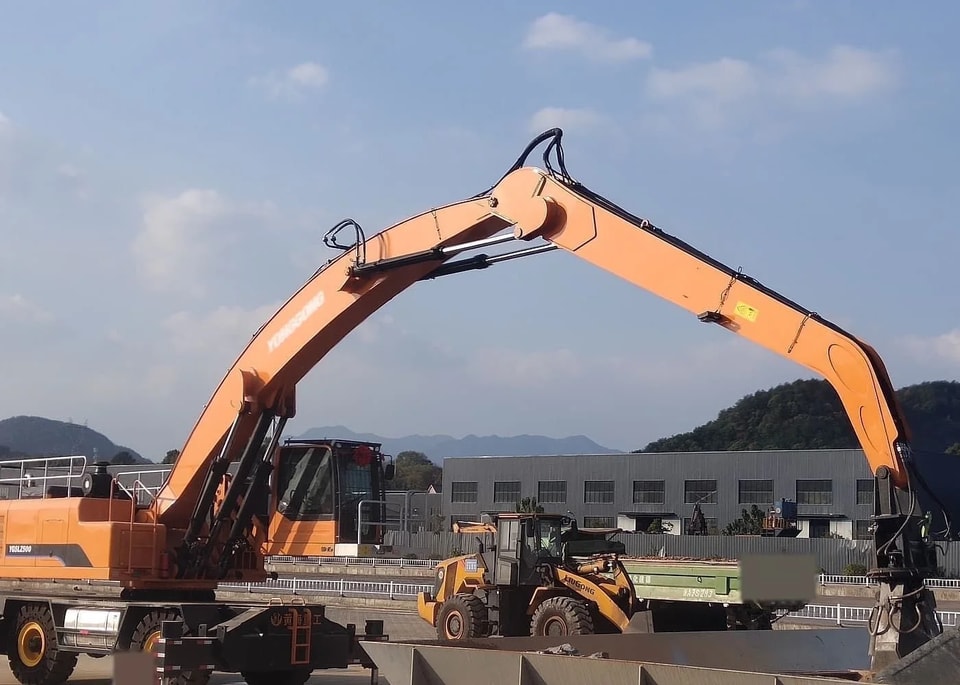 YGLZ · YGSLZ seriesWheeledQuick to relocate between berths, stable on H-type outriggers once set down.View models
Configured for the job
- Elevating cab to see over the hull and into the hold
- Clamshell grab for coal, ore, sand and other free-flowing bulk
- Orange-peel grab or electromagnetic chuck for scrap
- Container grab bucket for containers
- Electric or dual power where grid power is available
From arrival
to loading out
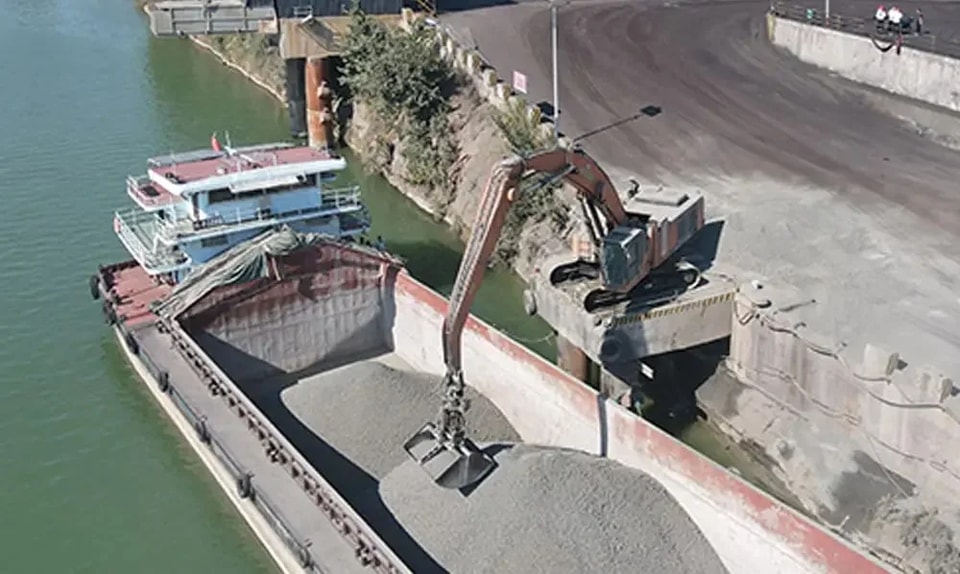
- Hold unloadingThe grab works the hold while the elevated cab keeps it in view.
- Hopper & truck loadingMaterial goes straight into hoppers or trucks at the quay.
- StockpilingThe same machine builds and reclaims stockpiles on the quay.
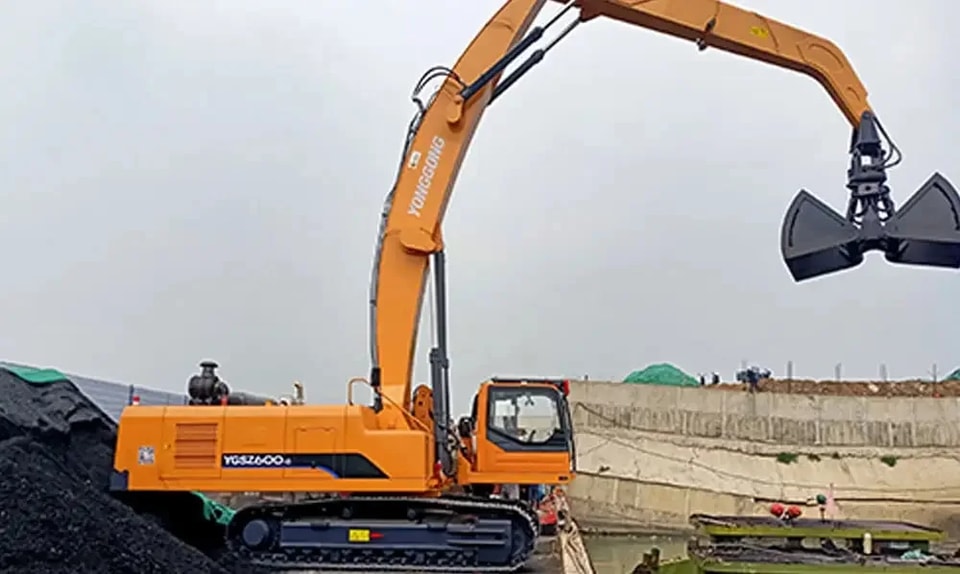
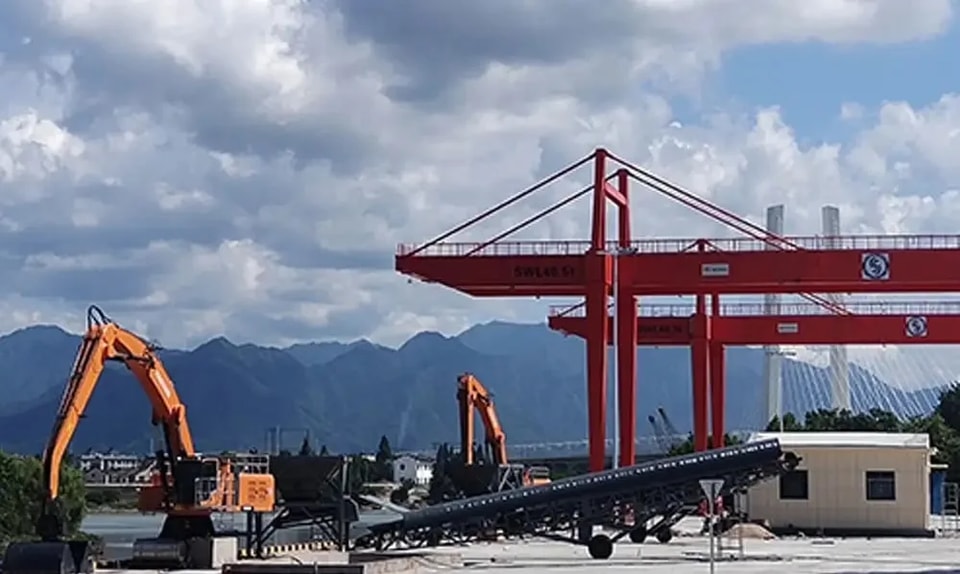
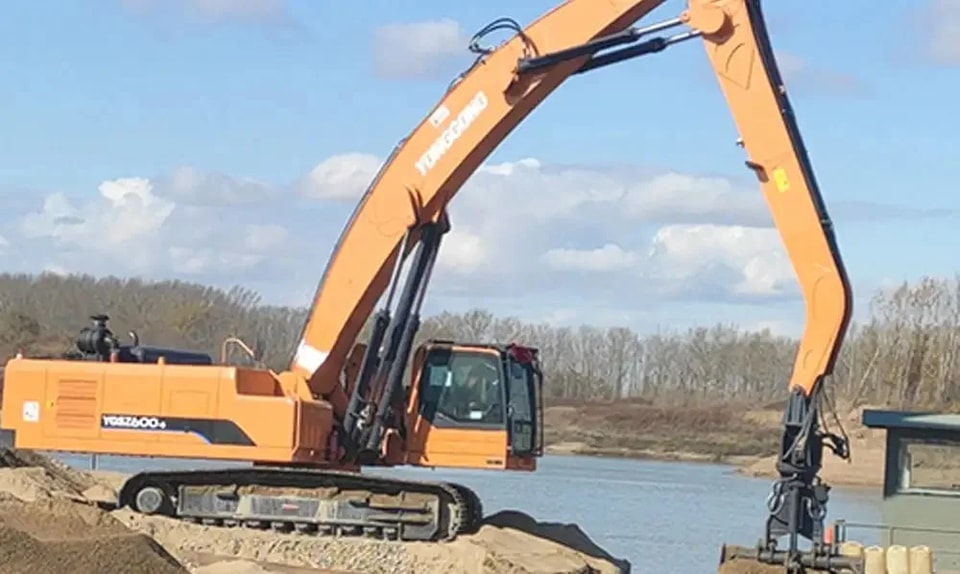
YONGGONG handlers
on the job
Machines at work in China, identified by region.
All case studies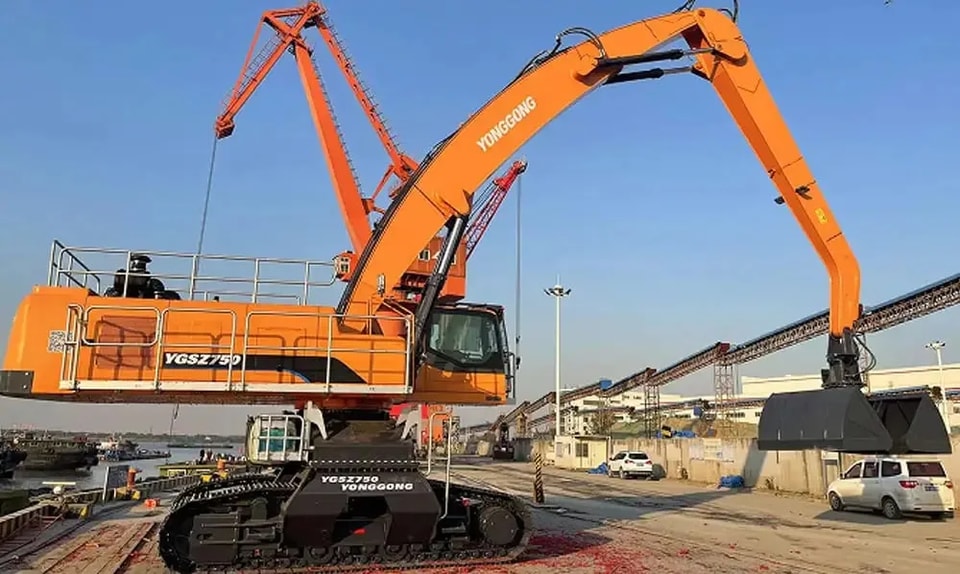
Questions about
ports & bulk terminals
Send us your working conditions and we will answer for your site.
When is a rail-mounted handler a better fit than a fixed or mobile machine?
A rail-mounted handler suits long berths where one machine must serve several hatches along a fixed line, needs the longest reach and can run on grid power. A stationary handler suits a single fixed loading point. Crawler and wheeled machines suit quays where the work point changes or no rails are planned.
What site information should we provide?
Material and bulk density, target throughput, berth layout and quay height, vessel or barge size and hold depth, available power supply, and the rail gauge if rails are planned.
Which grab should we use for bulk cargo?
Clamshell grabs suit free-flowing bulk such as coal, sand and ore. Orange-peel grabs or electromagnetic chucks suit scrap, and container grab buckets handle containers.
Get a selection plan
Tell us about your material, site and output. Our engineers will recommend a machine type, configuration and grab, then send a quotation.
- Share your working conditionsMaterial, throughput, site and power supply
- Receive a recommended configurationChassis, power, reach and grab matched to the job
- Get a quotationBased on the configuration agreed with you
 YONGGONG
Henan Huanghai Heavy Equipment Manufacturing Co., Ltd. — rail-mounted, crawler, wheeled and stationary material handlers since 1992.
Get a selection plan
Tell us about your material, site and output. Our engineers will recommend a machine type, configuration and grab, then send a quotation.
Prefer to talk? WhatsApp +86 184 3829 6999 or henanyonggong@163.com